Kanwer Polytex · Bhiwandi, India · Since 1999
Nylon & polyester dyed yarns
Nylon expertise.
Consistency at scale.
Package-dyed yarns for manufacturers who depend on colour continuity—from your first approved shade to repeat bulk orders.
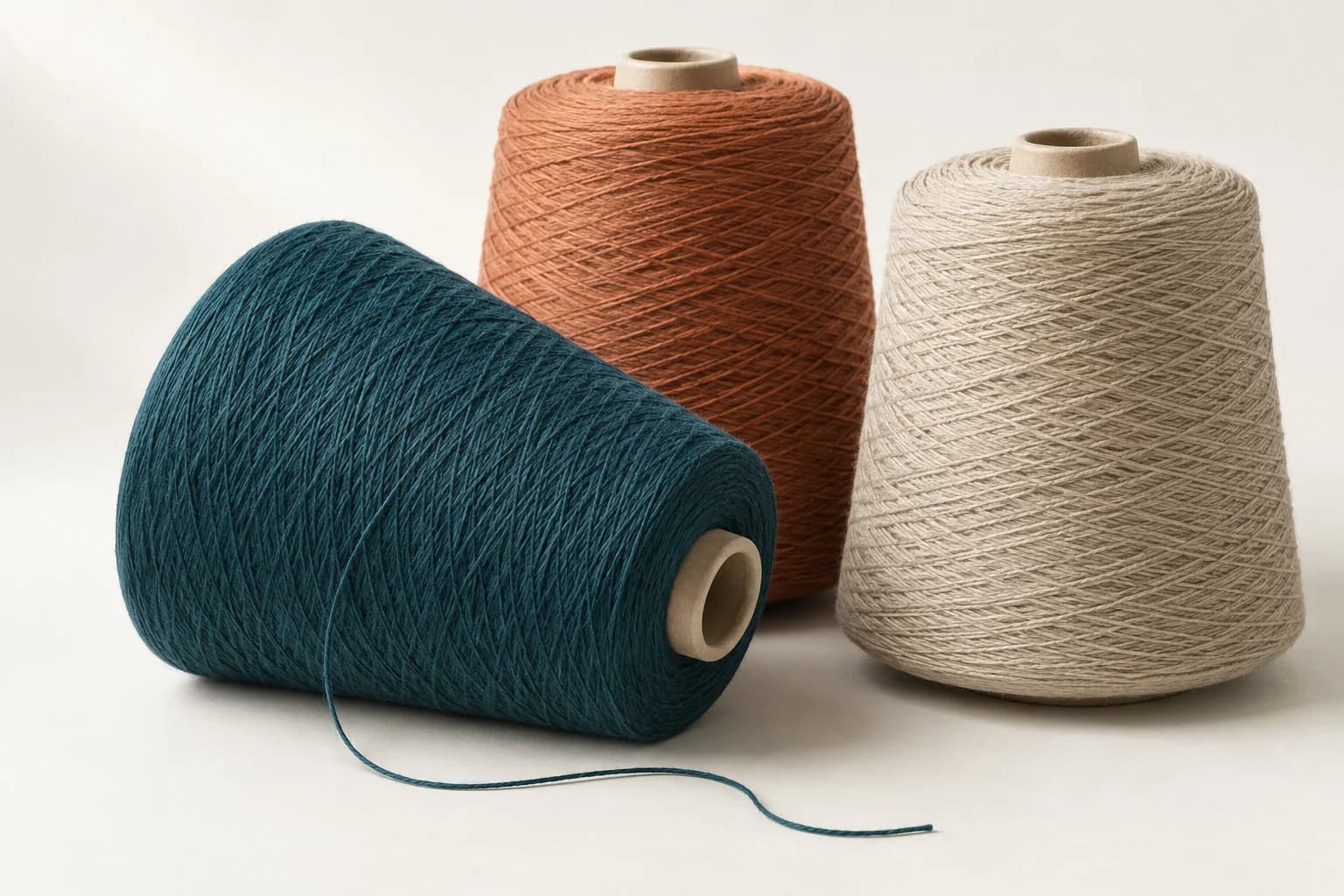
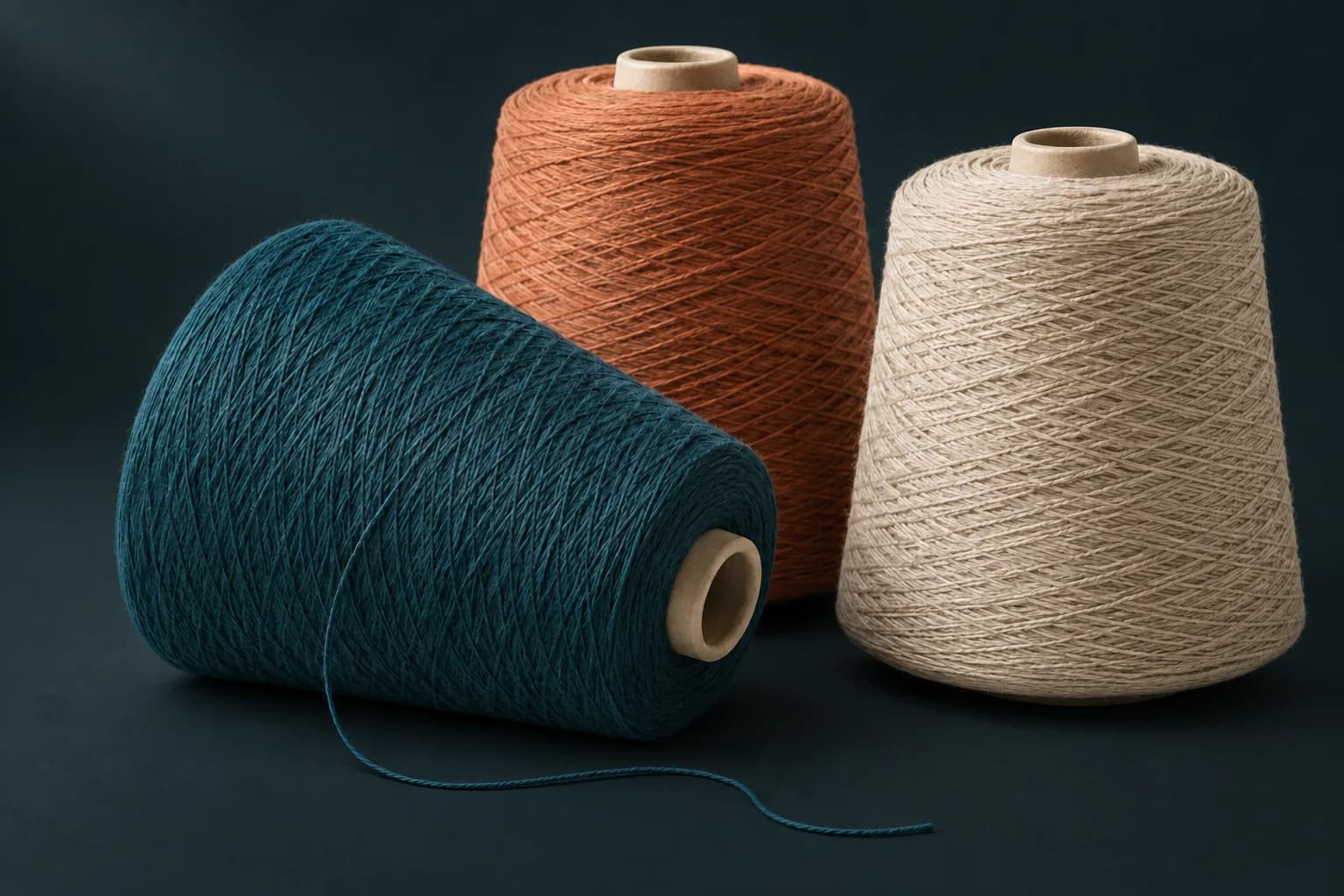
Our specialty · Nylon FDY dyed yarnDiscover the range
- Yarn-dyeing experience
- 25+ years
- Established in 1999
- Monthly production capacity
- ~100 tonnes
- Planned against yarn, shade & schedule
- Consistency for larger orders
- Mergeable lots
- Production lots combined to an agreed shade
- Domestic and international enquiries
- India & export
- Supply planned for your destination
The yarn range
The right yarn.
In your colour.
Start with your material and construction. We bring shade development, package dyeing and repeat-lot consistency together for your production.
Nylon FDY dyed yarn
210, 420, 840 and 1680 references. Custom shades for recurring manufacturing requirements.
Nylon Filament Twin
Twin nylon references for narrow fabrics, tapes, webbing and related textile applications.
Polyester Filament
Air-textured, continuous HT, continuous twin HT and textured / Roto yarns.
Polyester Spun
A range of counts and plies for your yarn, shade and production requirements.
A closer look
Preview your yarn specification.
Choose a family and reference. Your selection travels with your enquiry.
Selected reference
210/0
- Material
- Nylon
- Structure
- Filament
- Yarn type
- FDY
- Colour
- Custom shade
Share your end use, shade reference and quantity to confirm suitability and plan supply.
Your end use matters
Yarns for the products you make.
Construction, shrinkage behaviour and colour requirements depend on the application. Start with your end use so we can review the right yarn and approval checks together.
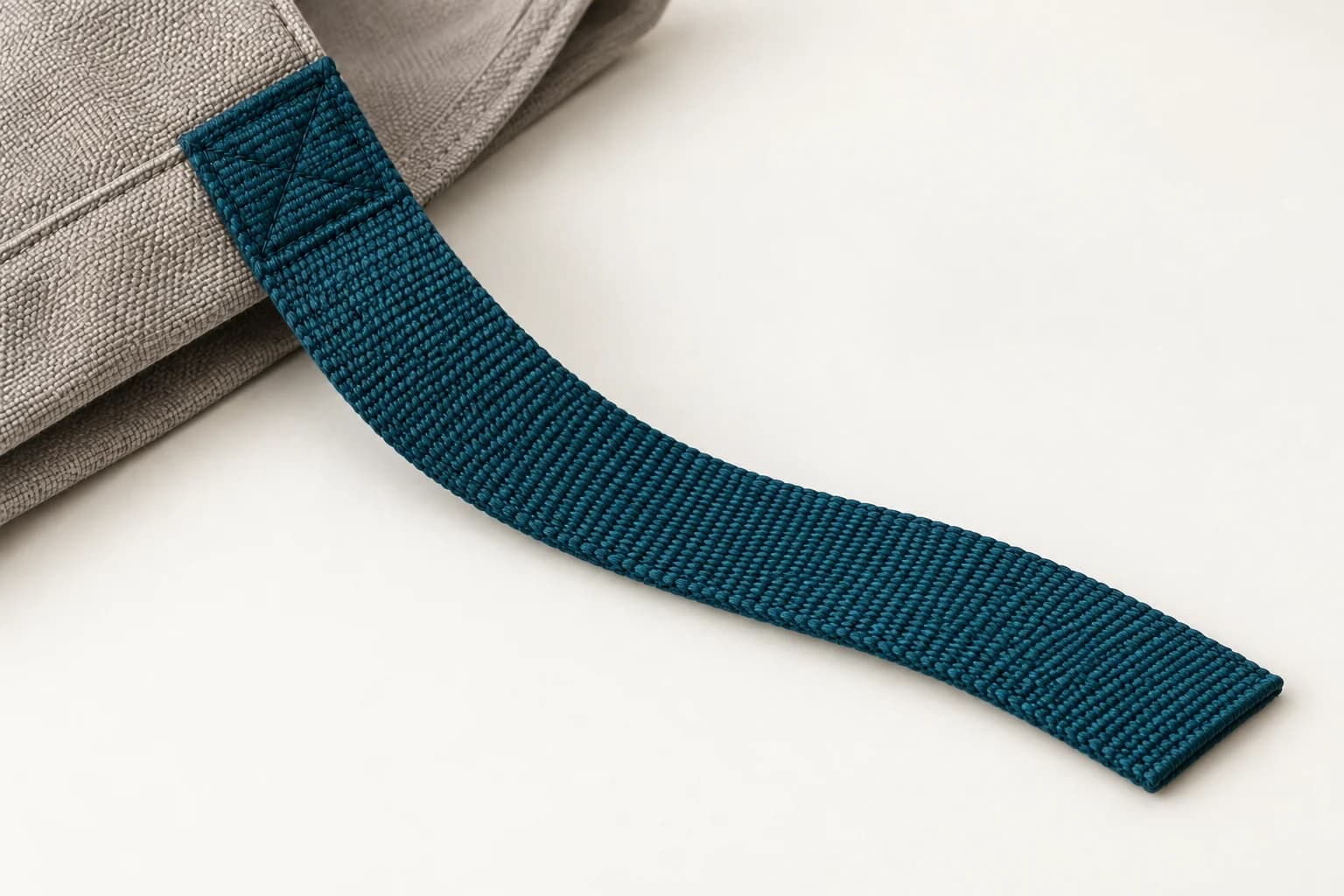
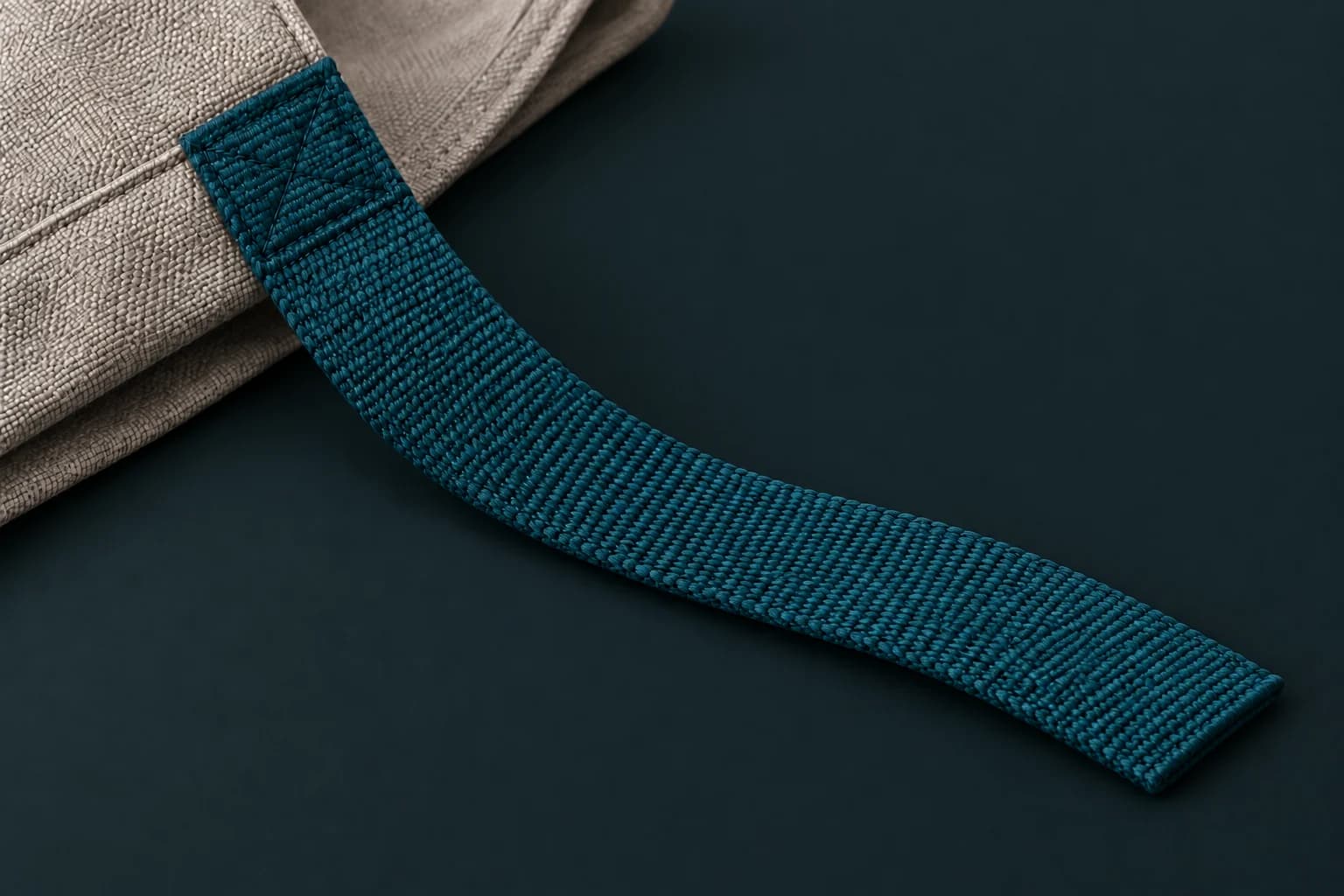
Webbing & narrow fabrics
Flat woven strips for straps, tapes and narrow fabrics. Start with the construction and strength requirements of your end use.
Explore webbing yarns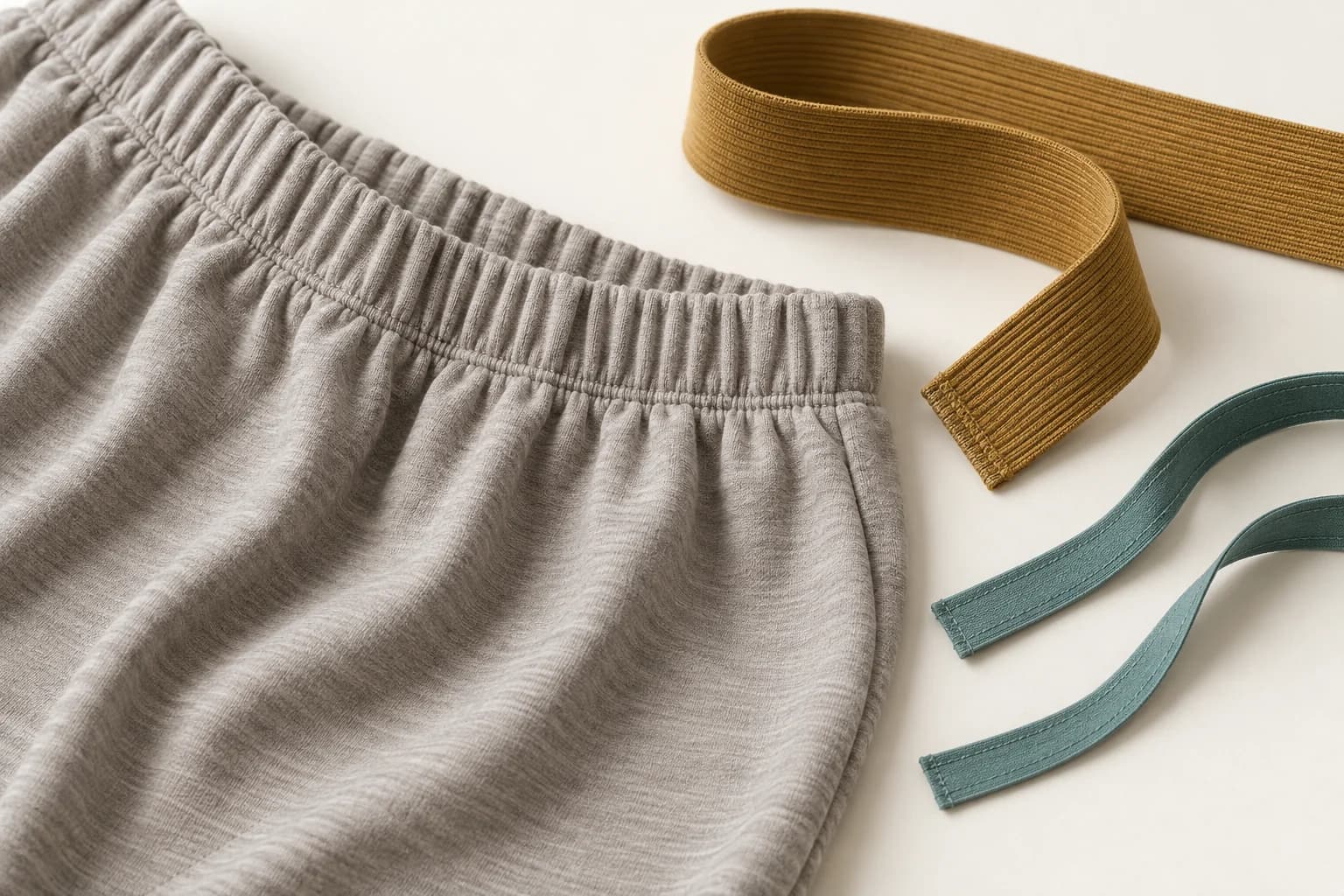
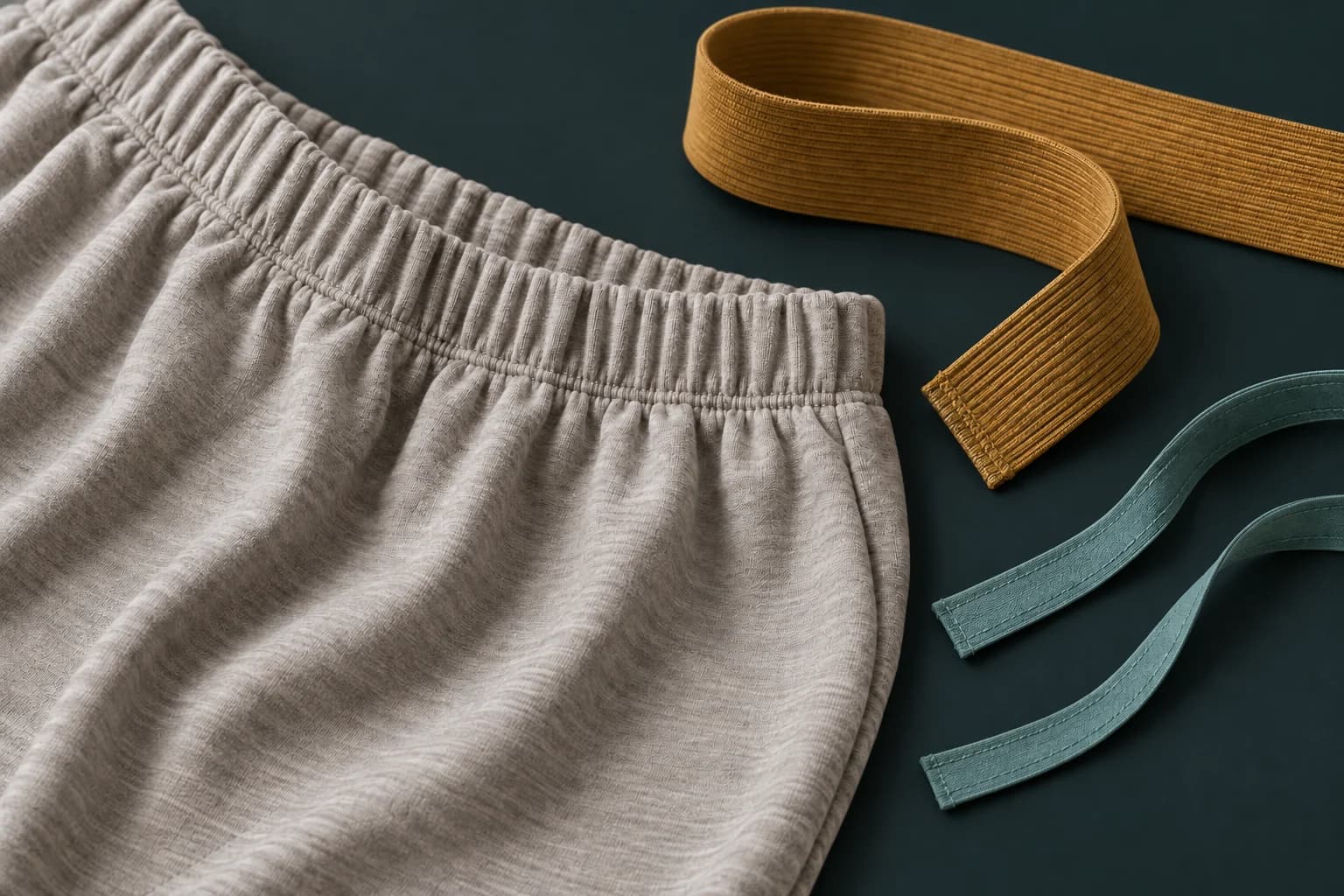
Elastic & garment trims
Waistbands, bindings and garment details. For elastic constructions, include stretch and recovery requirements in your brief.
Explore garment trims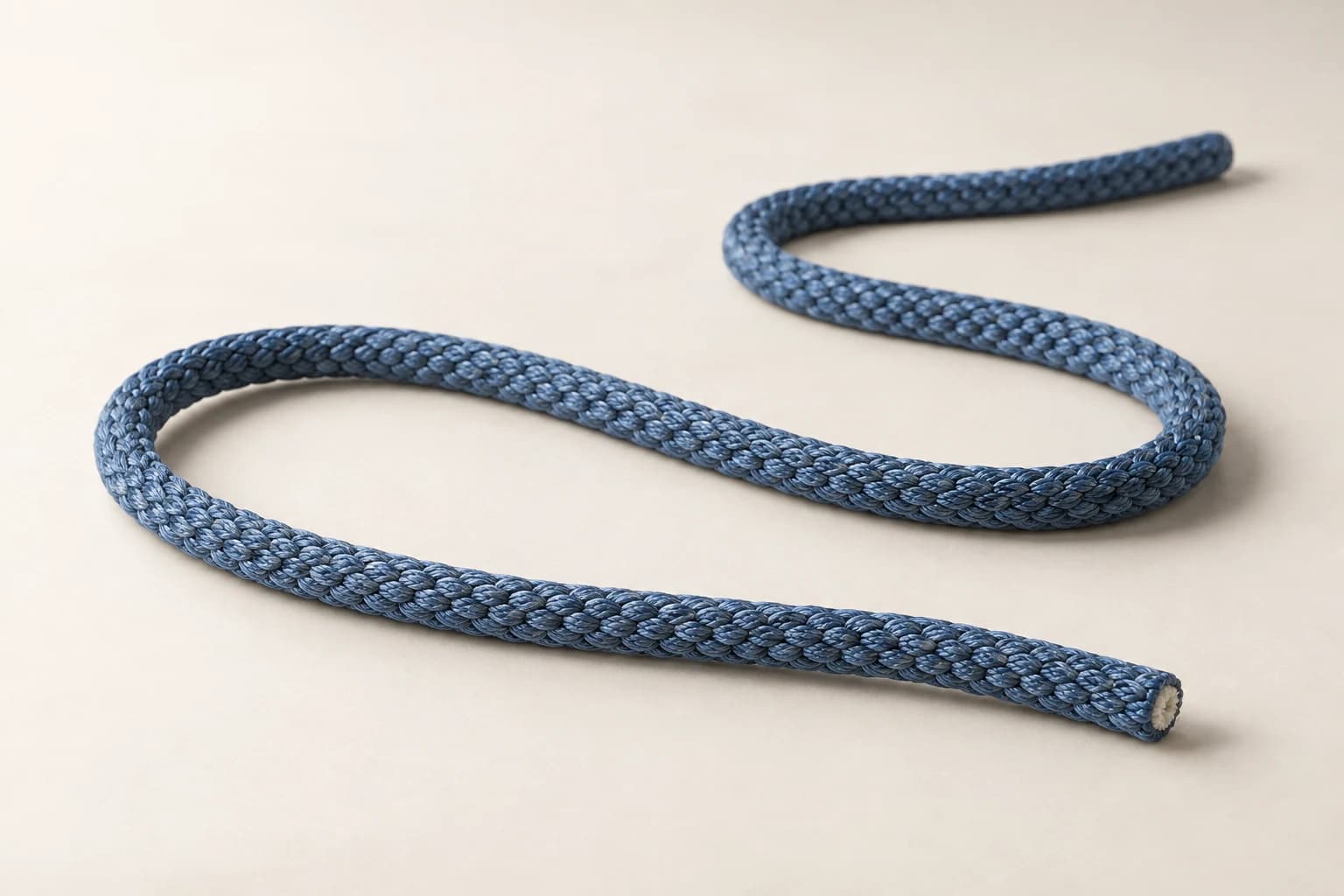
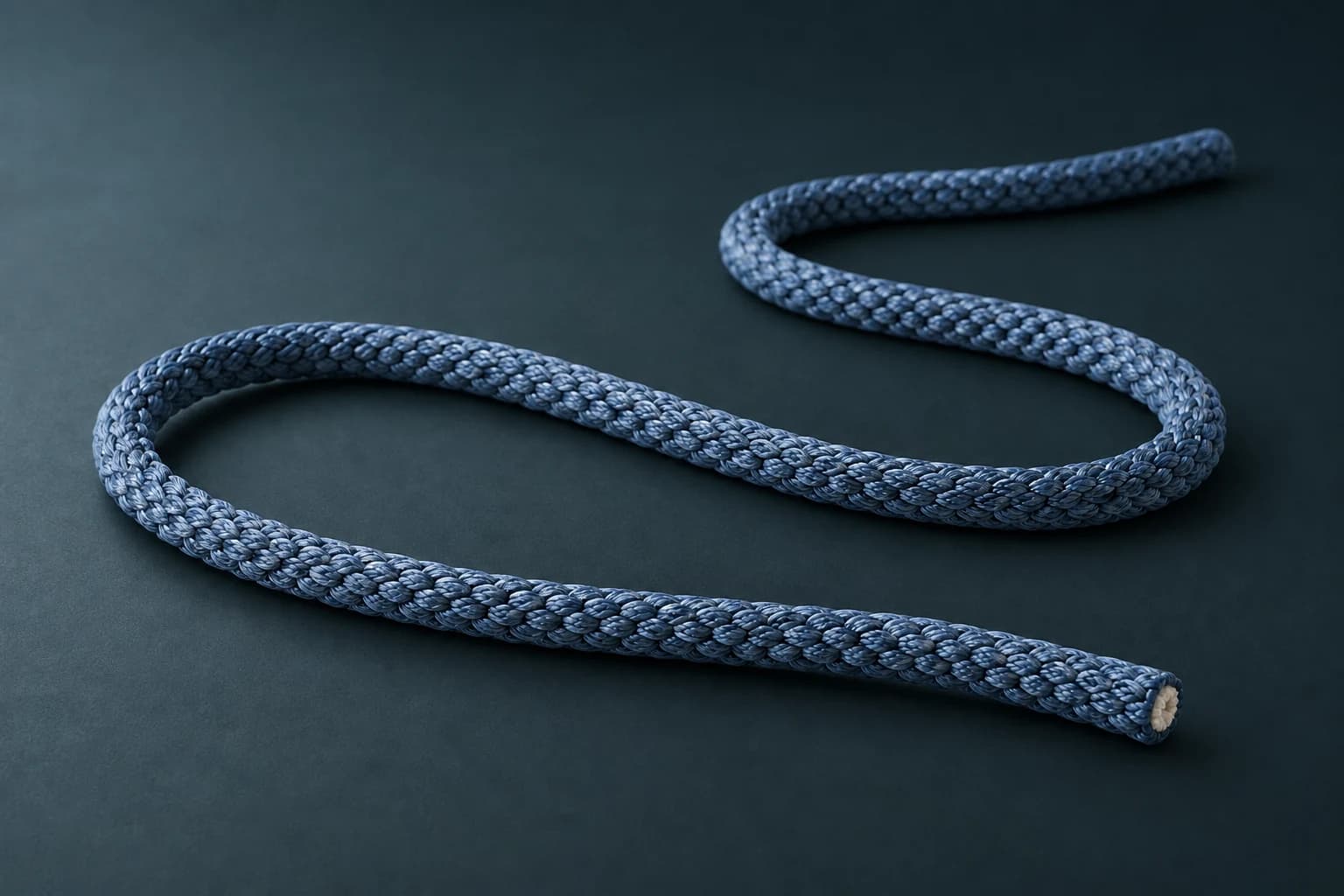
Cords & industrial textiles
Round cords, braids and technical textile uses. Share the final construction and application-specific approval requirements.
Explore cord applicationsImages illustrate end uses. Confirm yarn suitability in your process and approve colours against a physical shade reference.
A clear path to production
From a shade reference to repeat orders.
Agree the requirements early, approve in your application, then plan continuing supply.
- 01
Share the specification
Send the yarn, denier or count, end use, shade reference and the monthly tonnes you need.
- 02
Develop and approve
Review shade development and trial needs. Confirm suitability in your own manufacturing process.
- 03
Plan production together
Agree the lot combination, quantities per shade, delivery destination and repeat order schedule.
Scale through consistency
One shade standard.
Larger production programmes.
Our consistent, mergeable lots let production batches come together for larger orders. Plan the lot combination, shade allocation and dispatch schedule with our team.
Production lots, built around your requirement.
- 30 kg
- 60 kg
- 120 kg
- 240 kg
- 480 kg
- 960 kg
- 1920 kg
Combine production lots in multiples against the agreed yarn and shade reference. Monthly requirements can be planned in tonnes, with quantities coordinated by shade.
15 kg development trials are available for initial approval.
From approval to repeat supply
Colour continuity is part of your production plan.
We work from approved references and controlled processing so compatible lots can be combined and repeat requirements can be planned with confidence.
Growing with our customers
Small beginnings.
A lasting manufacturing focus.
From 1–2 tonnes a month in 1999 to around 100 tonnes of monthly capacity today. Our growth has been built around yarn-dyeing expertise and the consistency that repeat supply demands.
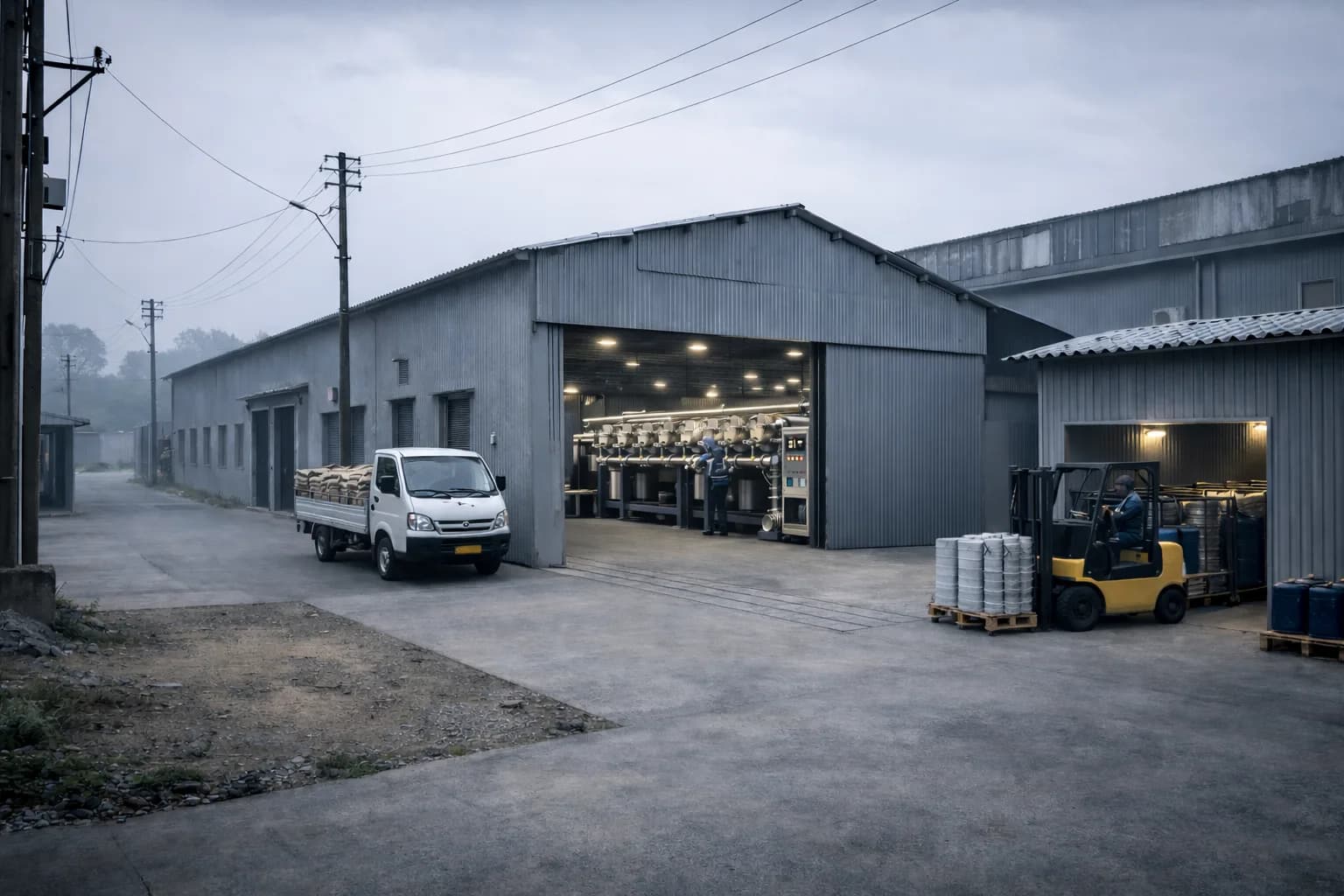
Our manufacturing home
A closer look at where your yarn journey begins.
1 of 4: Our manufacturing home
Over 25 years of working with colour.
Nylon is our specialty. Polyester is an established part of our range. From Bhiwandi, we work with textile manufacturers and yarn buyers on the specifications, shades and quantities their production needs.
Bring us your end use, physical shade reference and expected monthly requirement. We’ll work through approval, production and delivery with you.
The Kanwer storyBuyer questions
Clear answers before you begin.
Shade approval, production lots and repeat supply—start with the information your team needs.
Can Kanwer Polytex develop shades from samples?
Yes. Share a physical sample, approved shade code, or shade-card reference. Screen images are not used as a shade-matching shortcut because monitor calibration and lighting can mislead approval decisions.
- 15 kg trial or sample lots are available for shade approvals.
- Typical cone size is 2 kg.
- Include application, yarn type, and expected quantity when possible.
How quickly can shade approval move?
Usually 3 days; up to 7 days for complex shades. The exact path depends on the yarn, shade target, sample clarity, and whether a treatment is involved.
- Clear shade references and yarn details reduce back-and-forth.
- Complex tones should be planned with the full approval window.
What batch size and capacity can you support?
15 kg trials support approval work, and production batches start from 30 kg. Common lot sizes include 30 kg, 60 kg, 120 kg, 240 kg, 480 kg, 960 kg, 1920 kg and above. Optimized production capacity is around 100 tonnes/month, subject to yarn type, shade, treatment, and production planning.
- 1-3 tonnes in a single shade single-shade orders can often be planned around often about 1 week when inputs and plant schedule align.
- Final timing is confirmed against yarn, shade, quantity, treatment, and dispatch needs.
How do you support repeat lots?
Repeatability comes from controlled recipes, package dyeing discipline, and a focus on mergeable lots across compatible production runs. The aim is simple: buyers should not have to treat every repeat batch as a separate shade risk.
Are functional treatments available?
Fire-retardant, UV-absorbing, and custom functional treatments can be discussed when the application requires them, including furnishing, outdoor, technical, and industrial textiles.
How do you reduce shade variation during dyeing?
Controlled electric heating helps the dyeing temperature rise smoothly, so polyester and nylon yarn can absorb dye more evenly. This supports better shade pickup, cleaner mergeability, and fewer repeat-lot surprises.
What should I send for the fastest review?
Send material, yarn type, denier or count, shade reference, trial or bulk quantity, treatment need, timeline, and destination. If one detail is unknown, send the closest sample or application context.
Let’s plan your next production run
A better yarn partner.
Starts with a conversation.
Looking for tonnes of custom dyed nylon or polyester yarn? Tell us what you need. We’ll review the yarn, shade and production fit with you.
Our team reviews your brief, discusses the specification, and plans shade approval before confirming a quotation and production schedule.
Outside India? Explore export enquiries